
Chimney chase re-sided
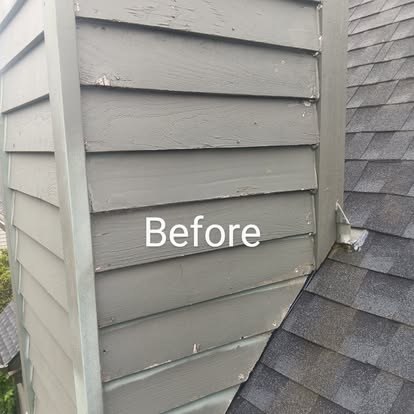
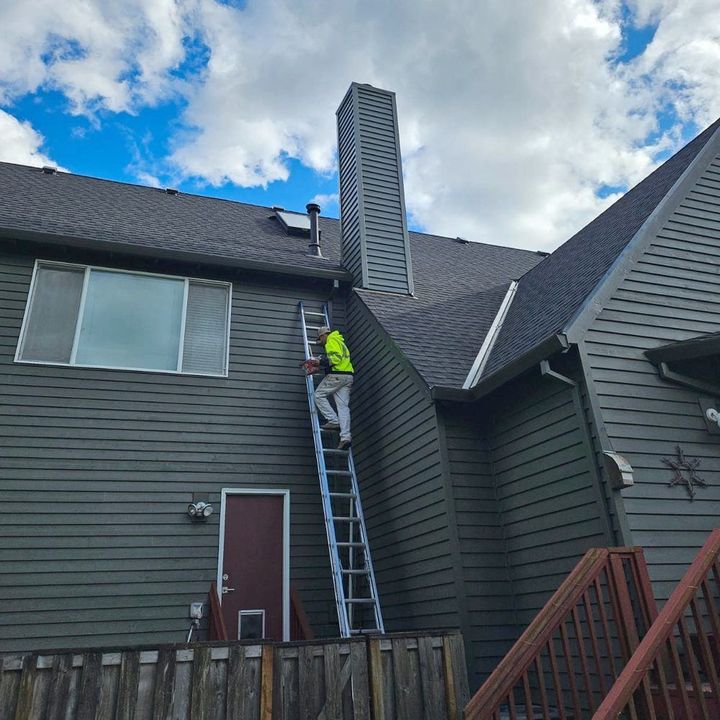
Worn siding around a chimney lets water in behind it. New siding, properly flashed to the roof.
Every place a roof runs into a wall is a channel. Water coming down the roof hits the wall and has to go somewhere. On a house built right, a piece of metal called step flashing sits under each course of shingles and up behind the siding, so the water runs down the metal and out onto the roof. At the bottom of the wall a small piece called a kickout diverts it into the gutter instead of behind the siding.
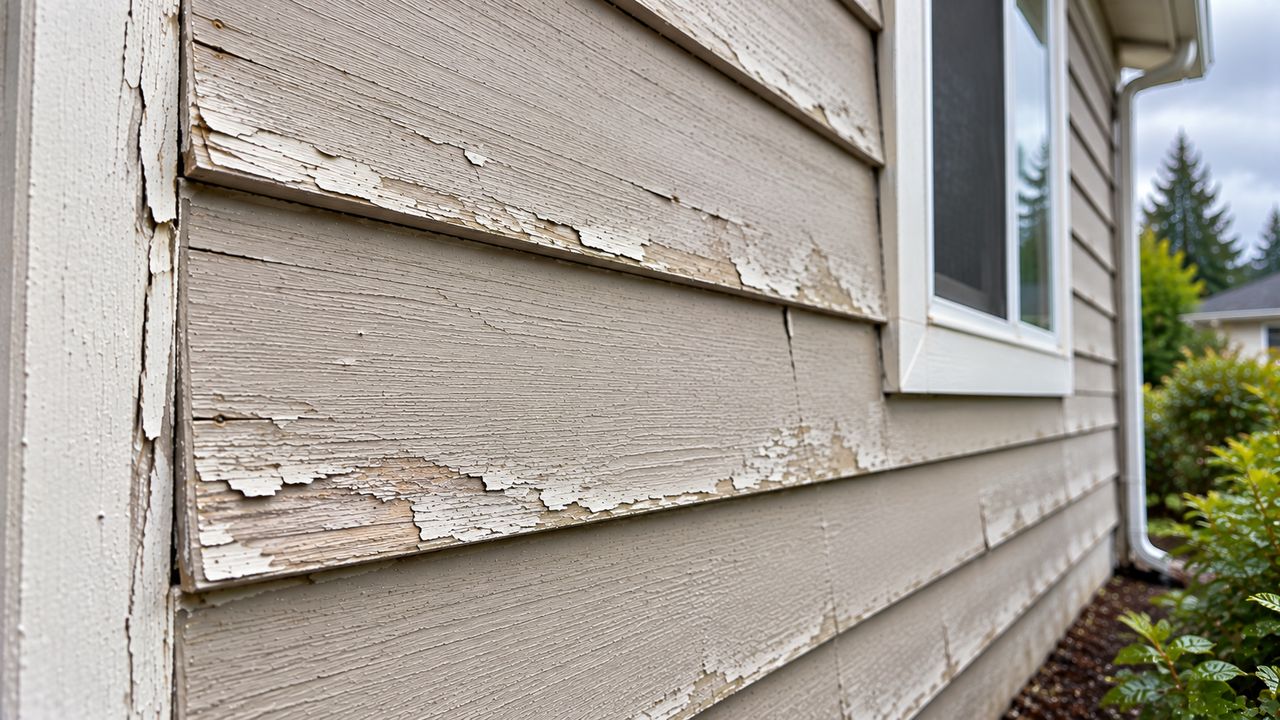
When the flashing is missing, rusted through, bent, or buried behind a repair somebody did without pulling the siding, the water goes behind the wall instead. The siding looks fine for a while. Then the paint lifts, the bottom boards go soft, and by the time it shows, the sheathing behind it is often wet too.
A chimney chase is a wood box wrapped in siding, and it meets the roof on every side. Its flashing has to be right all the way around, and the siding on it takes weather from every direction. It's one of the first places we see rot. The job below is one of ours: the chase was stripped back to the framing, wrapped, re-flashed to the roof, and re-sided.
Worn siding around a chimney lets water in behind it. New siding, properly flashed to the roof.
The before and after photos are a Silver Ridge job.
Pull the damaged siding. Check the sheathing behind it, and replace what's soft. Install new step flashing under the shingles and up the wall, with a kickout at the bottom. Then the house wrap, then the new siding, cut to leave a gap above the shingles so water and debris don't sit against the bottom edge. Paint or caulk on top of a bad joint doesn't fix it, and new siding nailed over old flashing rots on the same schedule the old siding did.
This is why the same crew should do the roof side and the wall side. If the roofer says the flashing is fine and the siding contractor says the wall is fine, the water keeps going where it's been going.
A failed joint that's caught early is a few feet of flashing and a few boards. Left through two or three winters, it's sheathing, sometimes framing, sometimes the drywall and insulation inside. If you see the signs above, the useful next step is to have someone look at the flashing from the roof, not just at the siding from the ground. Here's how we handle siding, and what a roof repair involves.
Both, and that's the point. The leak starts at the roof-to-wall joint, so the flashing is roofing work; the rotted boards are siding work. One crew should do both so the joint is sealed for good.
Caulk is a temporary patch at best. It cracks with the seasons, and it doesn't replace the flashing that's supposed to carry the water out. It can also trap water behind the siding.
Look at what's above it. If a roof section drains toward that wall, the wall is taking roof water, not just rain. That's a flashing problem.
It should where the siding meets the roof. Ask any contractor quoting siding near a roofline whether the estimate includes step flashing and a kickout. If it doesn't, the new siding will rot the same way.
A small angled piece of flashing where the roof edge meets a wall, right above the gutter. It kicks the water into the gutter instead of behind the siding. Many houses are missing it; it's a common fix.
Call, text, or send a request. We'll talk it through and set up a time to look at the roof.
Siding pulling away or going soft near the roof? Siding repair and replacement in Woodburn.
Keep reading: Water stain on the ceiling? Here's where roof leaks start · Repair or replace? Signs your roof is wearing out